Your Birth Control Choices
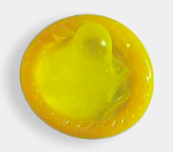
Method: Condom External
Effectiveness:
87%
How to use
- Use a new condom each time you have sex
- Use a polyurethane condom if allergic to latex
Things to know
- Can use for oral, vaginal, and anal sex
- Protects against HIV and other sexually transmitted infections (STIs)
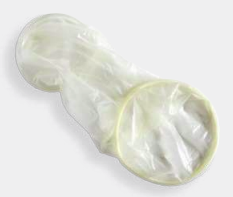
Method: Condom Internal
Effectiveness:
79%
How to use
- Use a new condom each time you have sex
- Use extra lube as needed
Things to know
- Can use for oral, anal and vaginal sex
- May increase vaginal/anal pleasure
- Good for people with latex allergy
- Protects against HIV and other sexually transmitted infections (STIs)
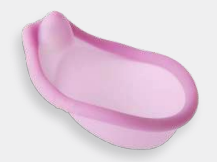
Method: Diaphragm
Caya® and Milex®Effectiveness:
83%
How to use
- Put in vagina each time you have sex
- Use with spermicide each time
Things to know
- Can last several years
- Spermicide may raise the risk of getting HIV
- Raises risk of bladder infection
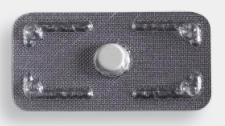
Method: Emergency Contraception (EC) Pills
Plan B®, Next Choice®, ella® and othersEffectiveness:
58-94%
How to use
- Works best the sooner you take EC pills after unprotected sex
- You can take EC up to 5 days after unprotected sex
Things to know
- May cause spotting
- Your next monthly bleeding may come early or late
- Ulipristal acetate EC works better than progestin EC if your body mass index (BMI) is over 26.
- ella EC works better than progestin EC 3–5 days after sex
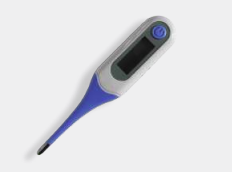
Method: Fertility Awareness
Natural Family PlanningEffectiveness:
85%
How to use
- Predict fertile days by: taking temperature daily, checking vaginal mucus, and/or keeping a record of your monthly bleeding
Things to know
- Can help with avoiding or trying to become pregnant
- Use another birth control method on fertile days
- Does not work well if your monthly bleeding is irregular
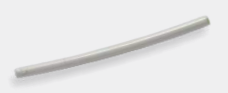
Method: Implant
Nexplanon®Effectiveness:
>99%
How to use
- A clinician places it under the skin of the upper arm
- It must be removed by a clinician
Things to know
- Lasts up to 5 years
- May cause irregular spotting or no monthly bleeding at all
- Cramps often improve
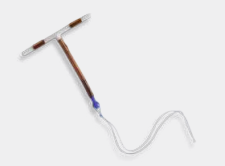
Method: IUD - Copper
ParaGard®Effectiveness:
>99%
How to use
- Must be placed in uterus by a clinician
- Usually removed by a clinician
Things to know
- Lasts up to 12 years
- May cause cramps and heavy monthly bleeding
- Can be used as emergency contraception up to 5 days after unprotected sex
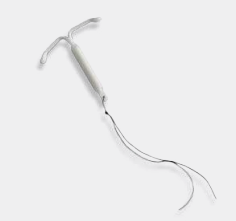
Method: IUD - Hormonal
Liletta®, Mirena®, Skyla®, and othersEffectiveness:
>99%
How to use
- Must be placed in uterus by a clinician
- Usually removed by a clinician
Things to know
- Lasts 3 to 8 years, depending on which IUD you get
- May improve cramps
- May cause lighter monthly bleeding, spotting, or no monthly bleeding at all
- Uses levonorgestrel, a progestin
- Some types can be used as emergency contraception up to 5 days after unprotected sex
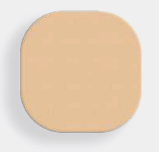
Method: The Patch
Ortho Evra®Effectiveness:
93%
How to use
- Apply a new patch once a week for three weeks
- No patch in week 4
Things to know
- Can irritate skin under the patch
- Can make monthly bleeding more regular and less painful
- May cause spotting the first few months
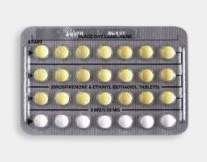
Method: The Pill
Effectiveness:
93%
How to use
- Take the pill daily
Things to know
- Can improve acne and premenstrual syndrome (PMS) symptoms
- May cause nausea, weight gain, headaches, change in sex drive
- Can make monthly bleeding more regular and less painful
- May cause spotting the first few months
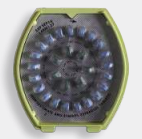
Method: Progestin-Only Pills
Effectiveness:
93%
How to use
- Take the pill daily
Things to know
- May cause changes in hair, skin, or sex drive
- Can make monthly bleeding more regular and less painful
- May cause spotting the first few months

Method: The Ring
ANNOVERA® and Nuvaring®Effectiveness:
93%
How to use
- Insert a small ring into the vagina
- Monthly Ring: Change ring each month
- Yearly Ring: Change ring each year
Things to know
- There are 2 types: a monthly ring and a yearly ring
- Can make monthly bleeding more regular and less painful
- May cause spotting the first few months
- Can increase vaginal discharge
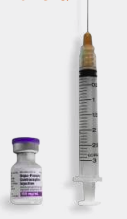
Method: The Shot
Depo-Provera®Effectiveness:
96%
How to use
- Get a shot every 3 months (13 weeks)
- Give yourself the shot or get it in a medical office
Things to know
- May cause changes in mood, weight, hair, skin, or sex drive
- Side effects may last up to 6 months after you stop the shots
- Often decreases monthly bleeding
- May cause spotting or no monthly bleeding
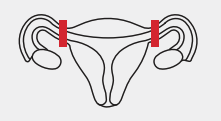
Method: Sterilization: Tubal Methods
“tubes tied”Effectiveness:
>98%
How to use
- This method closes the fallopian tubes
- A clinician reaches the tubes through your belly
Things to know
- This method is permanent
- Reversal is difficult
- Risks include infection, bleeding, pain, and reactions to anesthesia
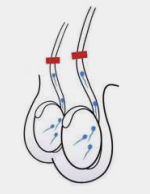
Method: Sterilization: Vasectomy
Effectiveness:
>99%
How to use
- A clinician blocks or cuts the tubes that carry sperm
- Can be done in the clinician’s office
Things to know
- This method is permanent
- It is more effective, safer, and cheaper than tubal procedures
- Reversal is difficult
- Risks include infection, pain, and bleeding
- It may take a few months to work
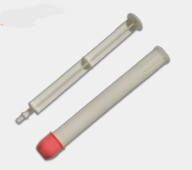
Method: Vaginal Acidifying Gel
Phexxi®Effectiveness:
86%
How to use
- Insert gel in vagina each time you have sex
Things to know
- Can be put in as part of sex play/foreplay
- Does not have any hormones
- Requires a prescription
- May irritate vagina, penis
- Should not be used with urinary tract infection
Method: Vaginal Spermicide
cream, gel, sponge, foam, inserts, filmEffectiveness:
79%
How to use
- Insert spermicide each time you have sex
Things to know
- Comes in many forms: cream, gel, sponge, foam, inserts, film
- May raise the risk of getting HIV
- May irritate vagina, penis
- Can buy at many stores without a prescription
Method: Withdrawal
Pull-outEffectiveness:
80%
How to use
- Pull penis out of vagina before ejaculation (coming)
Things to know
- Costs nothing
- Less pleasure for some
- Does not work if penis is not pulled out in time
- Must interrupt sex